
- Home
- Environment
Cement manufacturing requires significant energy and natural resources, but at MCCL, we are committed to minimizing the environmental footprint of our operations. Our environmental policy is built on three key principles: continuous improvement, pollution prevention, and full compliance with environmental regulations.
We are focused on reducing energy consumption and greenhouse gas emissions, conserving water, improving waste management, and protecting biodiversity around our sites. Additionally, we strive to use natural resources responsibly and rehabilitate the land we operate on. These efforts reflect our belief that environmental sustainability is not just a responsibility but an essential part of our long-term success.
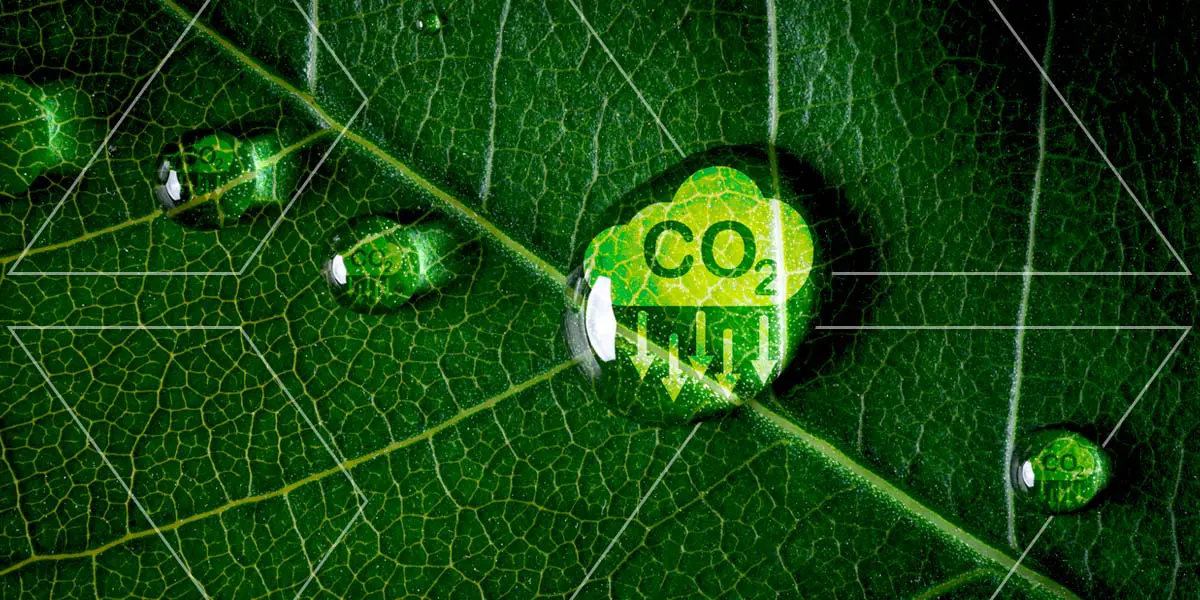
Climate change is one of the most pressing global challenges, and we understand the cement industry’s significant role in addressing it. MCCL is taking concrete steps toward decarbonizing our operations and aligning with Tanzania’s and global efforts to build a low carbon future.
Our decarbonization strategy includes increasing the use of alternative fuels such as biomass, optimizing energy efficiency through process upgrades, and exploring cutting edge technologies. To lower our carbon footprint, we have implemented energy efficient production technologies and are increasingly using alternative fuels such as agricultural waste and used tires in our kilns. We also produce blended cements with lower clinker content, which helps to reduce CO₂ emissions. Our long-term goal is to achieve net zero emissions in line with international targets such as the Science Based Targets initiative.
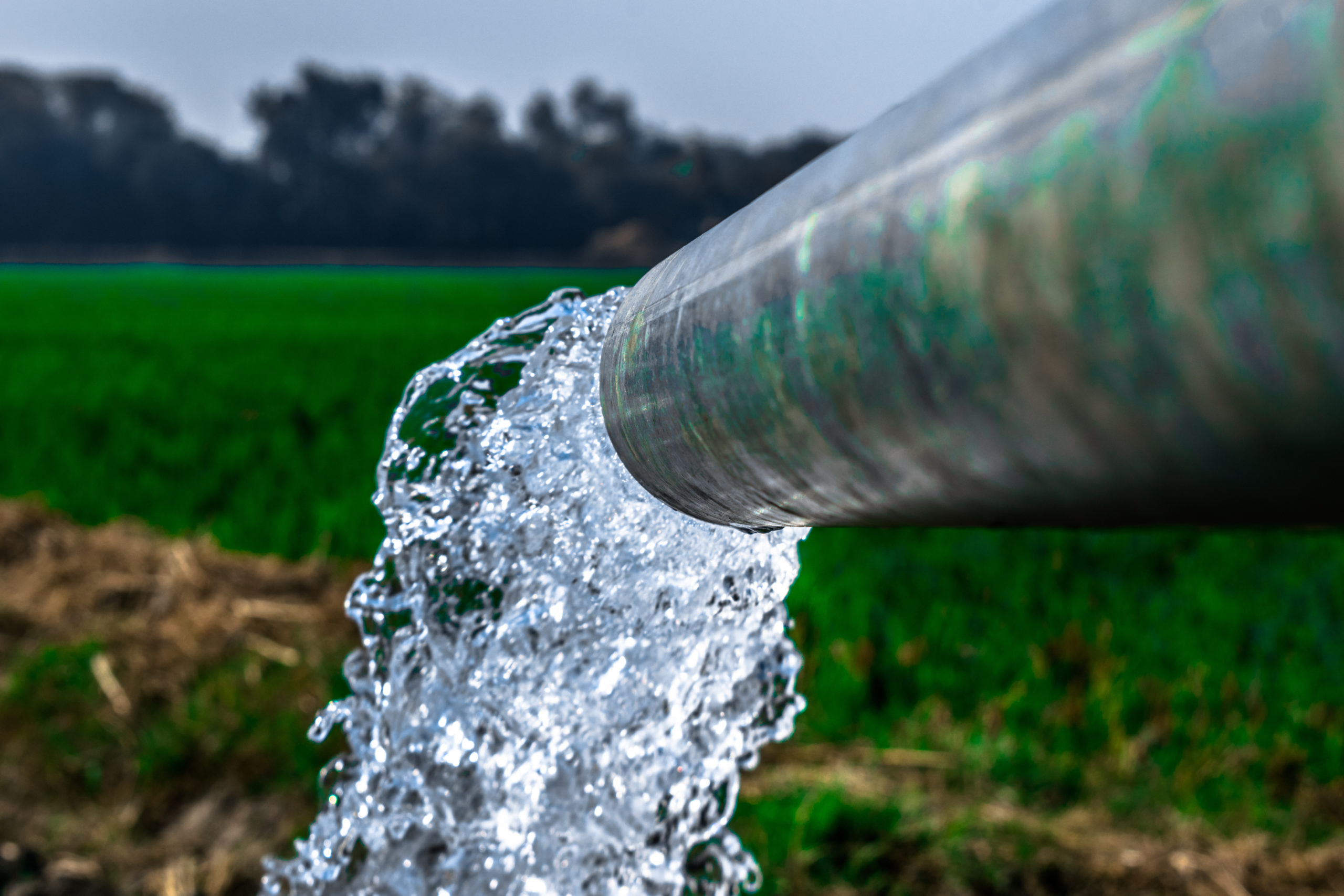
Water is a critical resource, and at MCCL we are committed to managing it with care. Our comprehensive water management program is designed to minimize our water footprint, reduce wastewater, and protect local water bodies and ecosystems.
We have introduced efficient water saving systems in our production processes and continuously monitor and improve our water use. We also focus on water recycling and reuse, effective wastewater treatment, and responsible discharge practices. Our collaboration with local communities and stakeholders ensures that we not only meet our operational needs, but also contribute to the long-term health of shared water resources.
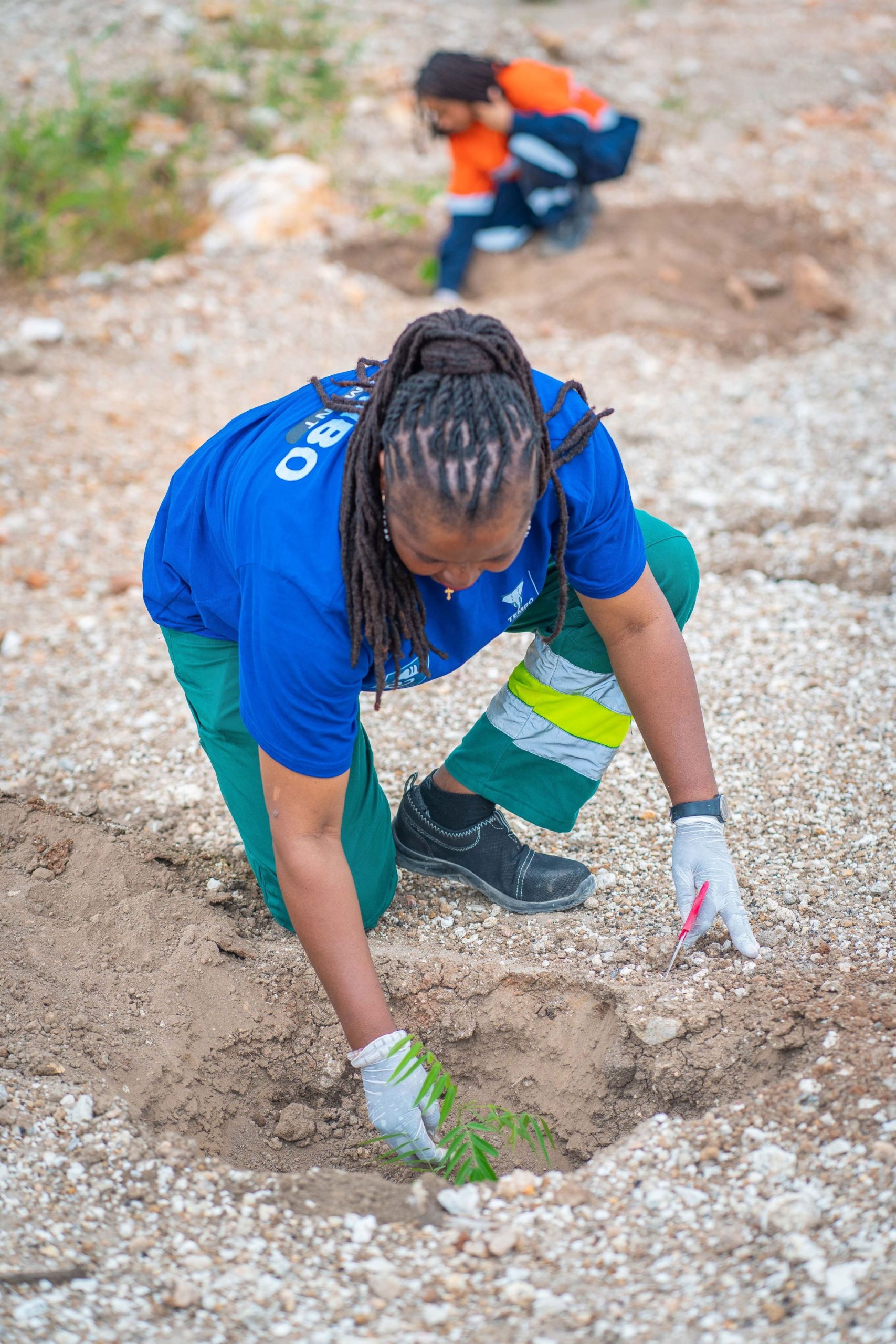
Preserving biodiversity and respecting the ecosystems where we operate is a key priority at MCCL. Our biodiversity management program begins with detailed environmental impact assessments and includes habitat conservation and restoration efforts that go beyond compliance.
We implement measures to prevent pollution and protect local wildlife, especially in areas surrounding our quarry and plant operations. Recognizing our environmental impact, we rehabilitate mined areas by establishing tree nurseries, restoring the land to its original state as part of our land stewardship initiatives, we have committed to planting 250 trees each year in and around the quarry area to support reforestation and enhance local biodiversity.
We also work closely with community leaders and environmental organizations to ensure our activities support local conservation goals. Through regular monitoring and transparent reporting, we aim to operate in harmony with nature and leave a positive legacy for future generations.
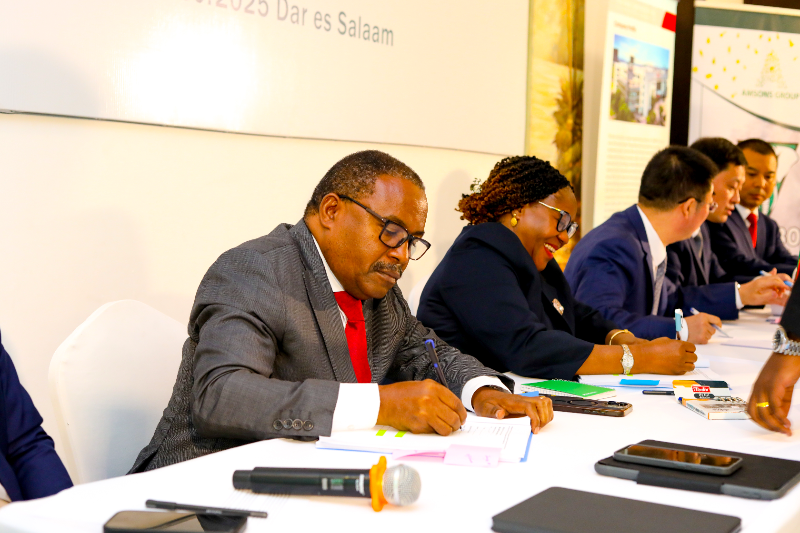
Amsons’ Mbeya Cement Signs EPC Contract with Sinoma International for new Clinker Lines in Mbeya and Tanga. Mbeya Cement Company...
Read More...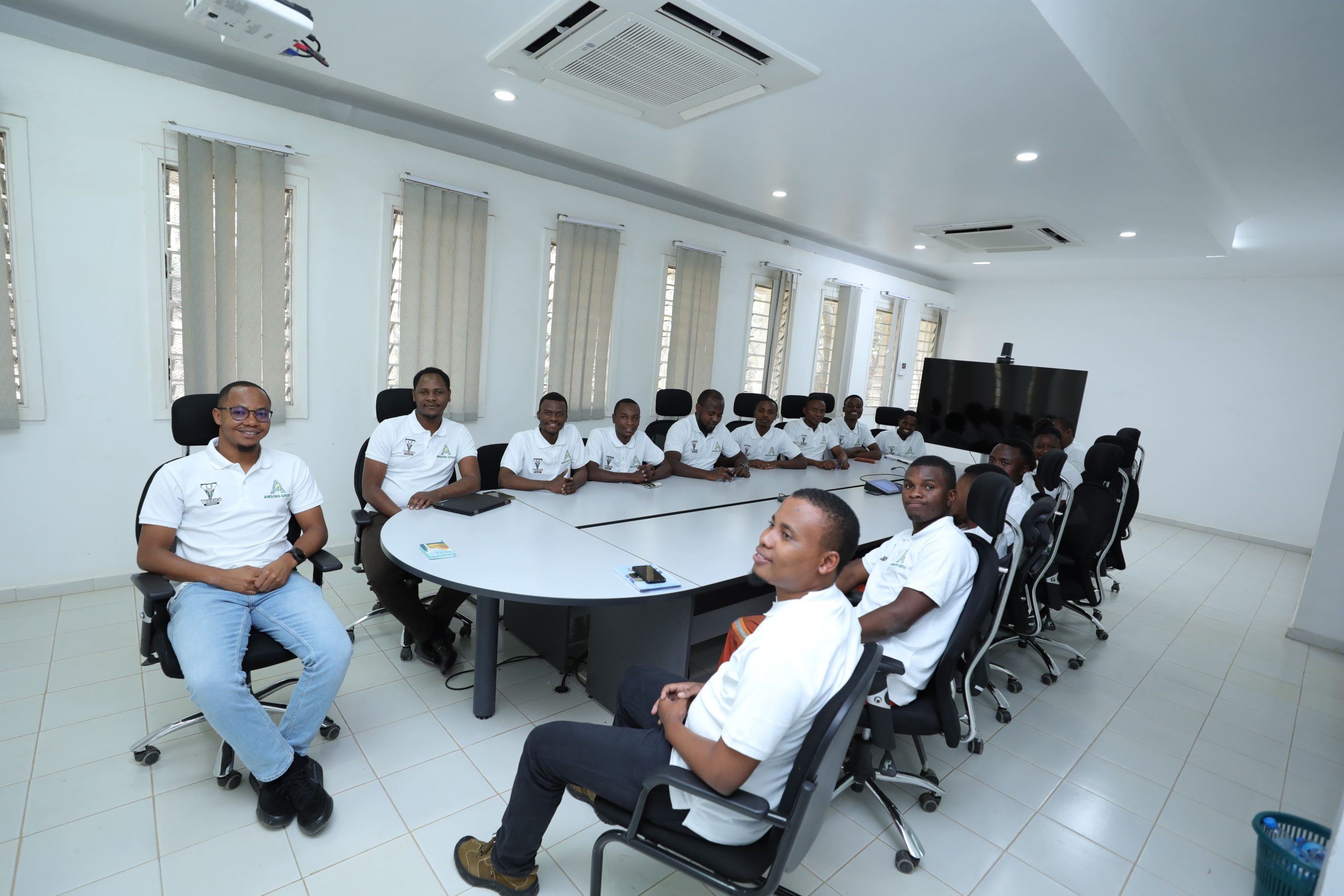
We are proud to share the successful launch and completion of the MCC Graduate Trainees Program 2025–2026, a dynamic initiative...
Read More...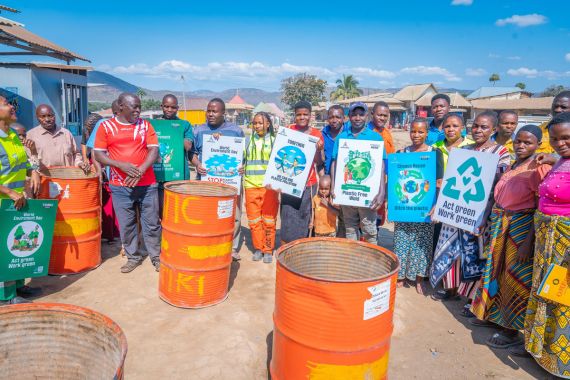
In celebration of World Environment Day 2025, Mbeya Cement Company Ltd proudly joined the global movement under the theme “Ending...
Read More...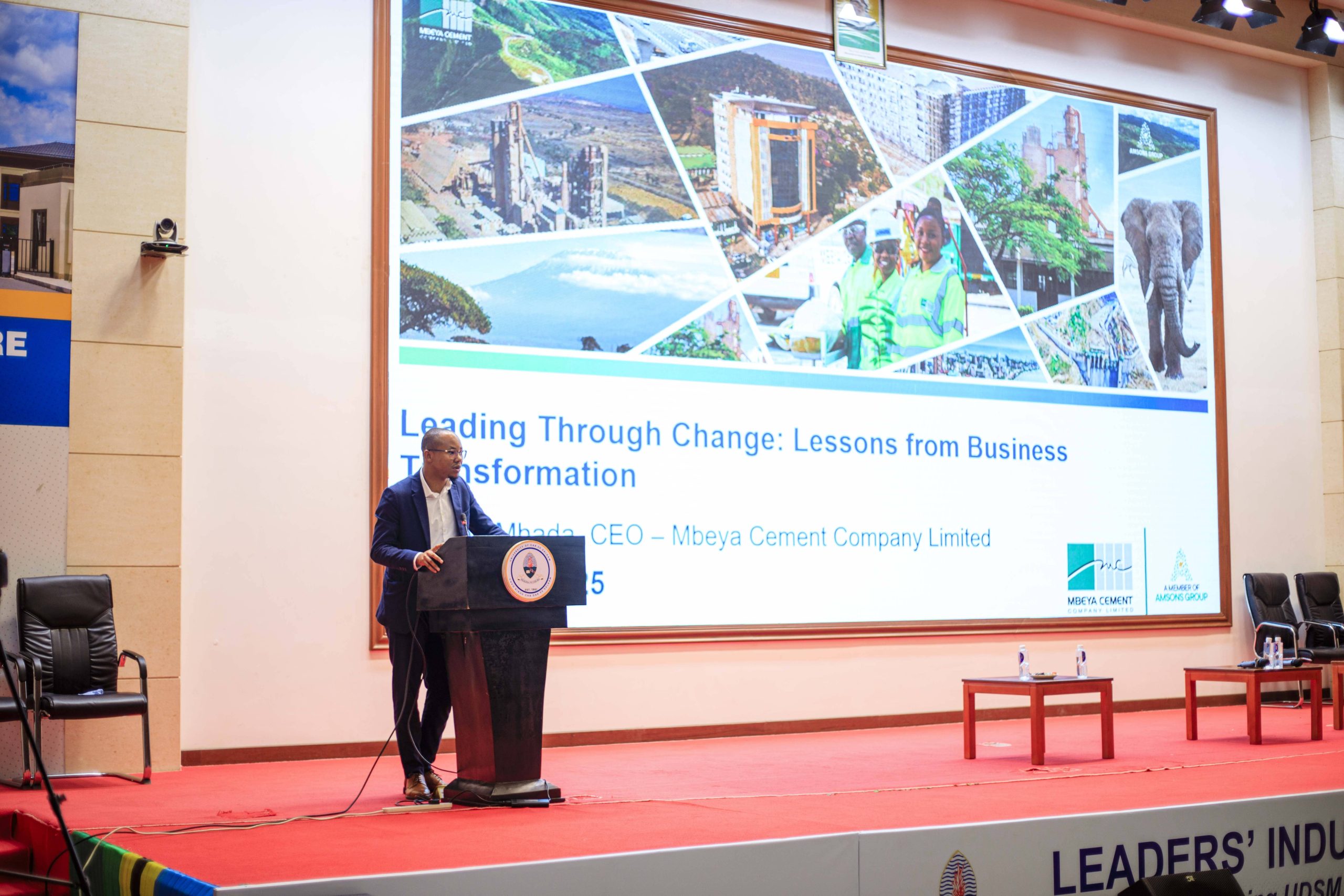
As part of our longstanding commitment to advancing higher education and fostering leadership excellence, Mbeya Cement was honored to participate...
Read More...